
Vanguard Consumer Staples ETF (VDC)
242.04
-4.82 (-1.95%)
NYSE · Last Trade: Nov 3rd, 4:18 PM EST
News & Press Releases
Vanguard Consumer Staples ETF vs. iShares Consumer Staples ETFfool.com

Vanguard's 0.09% expense ratio and broader 103-stock portfolio delivered slightly higher five-year returns, while iShares offers more concentration and a higher 2.4% dividend yield.
Via The Motley Fool · October 27, 2026
4 of the Smartest ETFs to Buy When Inflation Is Running Hotfool.com
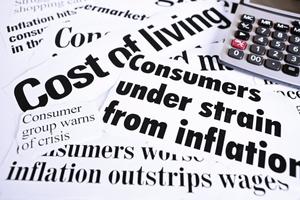
These funds each provide a different approach to inflation protection in your portfolio.
Via The Motley Fool · October 25, 2026
The Consumer Staples Face-Off: Buy VDC for Growth, Hold KXI for Global Cash Flowfool.com

Vanguard's domestic focus and ultra-low 0.09% expense ratio outpaced iShares' global alternative over five years, though geographic diversification comes at a cost.
Via The Motley Fool · October 22, 2026
Is Personal Preference is the Ultimate Tiebreaker Between These Two ETFs?fool.com

VDC's $9.3 billion in assets dwarfs FSTA's $1.4 billion, but both funds deliver nearly identical defensive exposure with beta of 0.49 and comparable 1-year returns around 8.6%.
Via The Motley Fool · October 15, 2026
If a Recession Is Coming, I'm Buying These 4 Top ETFs on the Dipfool.com
Each of these exchange-traded funds offers a different way to make a defensive pivot.
Via The Motley Fool · September 24, 2026
Better Consumer Staples ETF: Vanguard's VDC vs. State Street's XLPfool.com
State Street offers a higher yield and lower costs, but Vanguard's broader portfolio of 103 holdings delivered stronger five-year returns.
Via The Motley Fool · September 23, 2026
Meet the Vanguard ETF That Increased Its SpaceX Holding by 39% in 1 Month and Shows No Signs of Slowing Downfool.com

The unlocking of SpaceX shares is reshaping the communications sector.
Via The Motley Fool · September 20, 2026
These 5 ETFs Are Built for Bear Markets. History Says Now Is a Fantastic Time to Buy.fool.com

During bear markets and recessions, it's good to be invested in "defensive" stocks and funds that hold up better than average.
Via The Motley Fool · September 10, 2026
VDC vs. FTXG: Which Defensive ETF Is the Better Buy?fool.com
VDC's broad defensive portfolio delivered higher returns over the last year, while FTXG's concentrated food-focused fund carries a higher dividend yield.
Via The Motley Fool · July 28, 2026
This Vanguard ETF Has Weathered Every Recession in Its Historyfool.com

This ETF has outperformed in all recessions and bear markets since it debuted.
Via The Motley Fool · July 23, 2026
Looking to Recession-Proof Your Portfolio? Consider This ETFfool.com

The Vanguard Consumer Staples ETF and the Invesco Food & Beverage ETF are built to weather recessions, but one is the better choice.
Via The Motley Fool · July 21, 2026
Can You Build a Retirement Portfolio Using Only ETFs?fool.com

Yep. And you should, if you can.
Via The Motley Fool · July 16, 2026
Which Is the Better Consumer Staples ETF, Vanguard's VDC or Invesco's RSPS?fool.com
VDC's market-cap approach favors giants like Walmart, while RSPS equally weights 34 stocks for different risk exposure.
Via The Motley Fool · July 9, 2026
Which Is the Better Consumer Staples ETF, Vanguard's VDC or iShares' KXI?fool.com
VDC's 0.09% expense ratio and $9.1B in assets have delivered stronger five-year returns, while KXI offers global diversification at a higher cost.
Via The Motley Fool · July 6, 2026
Vanguard vs. State Street: Which Consumer Staples ETF Stands Out?fool.com
Explore how portfolio breadth and sector concentration shape risk and income profiles for investors seeking stability in uncertain markets.
Via The Motley Fool · June 27, 2026
XLP vs. VDC: Which Consumer Staples ETF Is the Better Buy?fool.com
Dividend yield and portfolio concentration set these two funds apart for investors.
Via The Motley Fool · June 21, 2026
VDC and FSTA Are Almost the Same Fund. Here's How to Choose Between Them.fool.com
Portfolio overlap is high, but subtle differences in yield and history may impact your choice. Compare sector exposure and long-term performance nuances.
Via The Motley Fool · June 8, 2026
This Vanguard ETF Has a History of Outperforming the S&P 500 During Bear Markets. Is It a Buy Right Now?fool.com

VDC is a good defensive play, but it isn't built to beat the market in the long run.
Via The Motley Fool · June 3, 2026
Why the Vanguard Consumer Staples Index Fund ETF (VDC) Could Be the Smartest Pre-Summer Addition to Your Portfoliofool.com

It's a slower grower, but it offers a meaningful dividend and can hold up relatively well in a market downturn.
Via The Motley Fool · May 31, 2026
Consumer Staples Are Back in Focus. VDC and XLP Offer Two Ways to Own Them.fool.com
Expense ratios, dividend yields, and diversification set these two consumer staples ETFs apart—see how their risk and return profiles compare.
Via The Motley Fool · May 8, 2026
VDC and RSPS Take Different Routes to the Same Sectorfool.com
One fund favors broad diversification and higher yield, while the other leans on sector giants and lower costs—each shaping risk and return differently.
Via The Motley Fool · May 7, 2026
Are Defensive Stocks the Right Call Heading Into a Slower Economy?fool.com

The idea holds theoretical water, but the stock market's got a knack for defying theory.
Via The Motley Fool · May 5, 2026
Focus in on Consumer Staples Dividend Payers With These ETFsmarketbeat.com

Via MarketBeat · April 25, 2026
Wide Net or Narrow Bet: Choosing Your Staples Exposurefool.com
Expense ratios, yield, and portfolio focus set these two consumer staples ETFs apart—see how their differences may impact your strategy.
Via The Motley Fool · April 24, 2026
3 Vanguard ETFs Crushing the S&P 500 in 2026fool.com

The rotation we've seen within U.S. equities this year has created a new class of winners outside of tech and growth.
Via The Motley Fool · April 20, 2026