
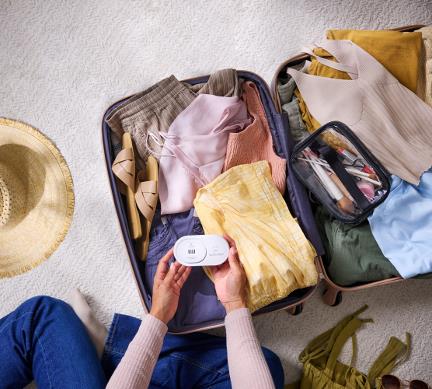
SPONSORED CONTENT -- (StatePoint) Carbon monoxide (CO) is a poisonous, flammable gas that is impossible to see, smell or taste — making it easy to assume you’re safe when danger may already be present. So, whether you’ll be vacationing away from home, or planning a “staycation” this summer, take extra steps to help protect yourself and your loved ones from CO.
According to UL Standards & Engagement, more than one-third of U.S. homes have no CO detection and nearly 30% of Americans say they do not need or are unsure if they need a CO alarm in the home if a smoke alarm is present. The reality? Both smoke and CO alarms are essential for safety.
Carbon monoxide can begin causing symptoms such as headaches and nausea at a concentration of around 200 parts per million (ppm). Kidde, a trusted leader in fire and CO safety for more than 100 years, has introduced a new line of CO alarms featuring advanced detection. Select Kidde alarms are designed to alert to low levels of CO, providing critical early warning before levels become dangerous. This early detection is especially important for more vulnerable populations – including older adults, children and pets - who may experience symptoms at concentrations below 70 ppm and can benefit from earlier opportunities to take action.
The new line also includes battery-powered CO alarms that can help provide safety and peace of mind at your travel destination. “While some travelers take routine measures to help protect their homes from carbon monoxide while they are away – many do not consider the same safety risks at their destination,” says Isis Wu, president of Global Residential Fire & Safety at Kidde.
Wu notes that an absence of comprehensive industry regulation has left a significant safety gap for travelers. Electrical Contractor Magazine reports that only 14 states in the United States currently require the installation of CO detectors in hotels and motels, and there is no federal law requiring hotels to install CO detectors in every guest room.
During the busy summer travel season, Kidde is reigniting Destination Safety, which is the brand’s education-first initiative that helps empower travelers to take control of their safety. Kidde’s Travel Safety Checklist includes key tips on how to do just that:
• Pack a AA-battery operated CO alarm for use at your destination. To help avoid damage to the device, pack it carefully. You should also be sure to remove batteries prior to travel and reinsert them upon arrival. Note: these devices are for use in conditioned spaces only. They are not approved for RV or boat use. Test the device before use to ensure proper operation.
• Test your home smoke and CO alarms before leaving and ensure all heat-producing appliances are turned off. Also, install smart alarms that offer real-time notifications.
• Call your hotel or rental to inquire about CO devices.
• Once you arrive, make sure the hotel alarm and your own alarm are present and working.
Whether upgrading your home detection with low-level sensing technology or packing an alarm to use at your next destination, take control of CO safety, because “probably” isn’t a plan.
*****