
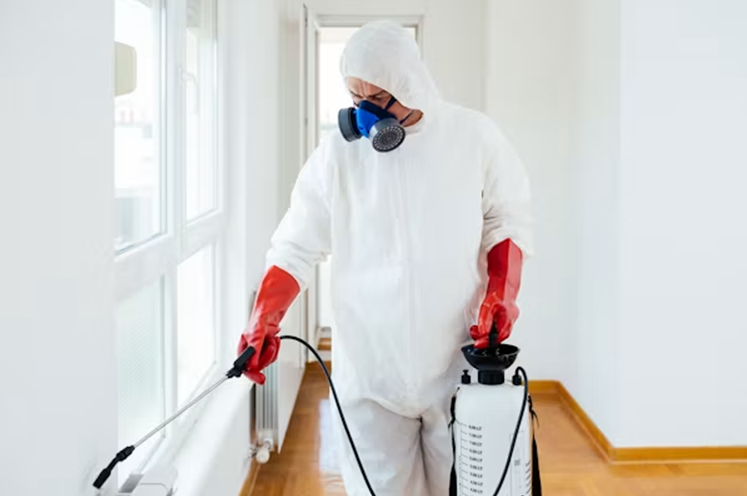
When pests appear inside a home, the first instinct may be to reach for a spray or trap and deal with the visible problem immediately. However, seeing some ants in the kitchen, scratching noises in the walls, or finding droppings in the basement does not mean knowing where the infestation started.
In most situations, pests are found in less-visited areas, so a thorough inspection is very important. That is why experienced Livingston, NJ, pest exterminators usually start with an inspection to determine how to address the problem. While conducting it, specialists go far beyond symptoms to examine potential entry points, food and water sources, nesting sites, moisture issues, and other factors that might lead to an infestation.
In addition, inspection allows determination of the types of pests and the severity of the situation. It will be helpful for homeowners to understand what exactly takes place during this visit.
1. Look for Visible Signs of Pest Activity
The initial step in an inspection is usually to look for signs of pests in the area. Although some insects and rodents may be spotted, there are other indicators that they are present in the area. They include droppings, gnawing, damaged materials, nests, shed insect skin, dead pests, grease marks, or any strange smell.
For instance, rodents leave their droppings in places where they store food or often pass. Insects will usually leave their indicators in cracks, cabinets, windows, the foundation, or any other hidden place. A professional not only searches for pests but also looks for the signs they leave.
In Livingston, NJ, homeowners dealing with these warning signs may turn to Livingston NJ Pest Exterminators for professional assistance with identifying potential pest activity. Environmental health officers in Livingston also conduct investigations and surveys of insects and rodents. A careful inspection can therefore help reveal both visible pest activity and less obvious evidence that may otherwise go unnoticed.
2. Inspect Areas Where Pests Commonly Hide
Once initial evidence has been identified, exterminators typically examine locations where pests are likely to establish harborage. Depending on the suspected pest, this may include kitchens, bathrooms, basements, attics, garages, crawl spaces, wall voids, utility areas, and spaces around appliances.
Rodents, for instance, can move through concealed areas in search of food, water, and shelter. Insects can similarly exploit small gaps around plumbing, windows, doors, foundations, and structural joints.
Consequently, an inspection may involve checking areas that homeowners do not normally think about. The objective is not simply to find where pests have been noticed, but to determine where they may be entering, nesting, feeding, or reproducing.
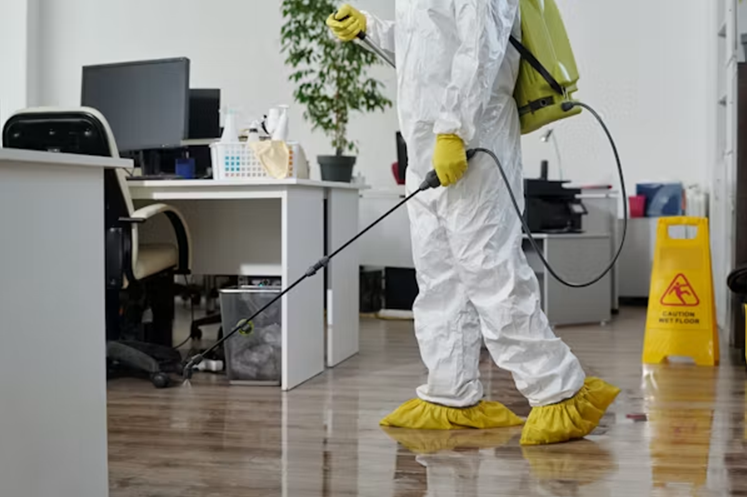
3. Search for Entry Points Around the Property
Another important part of an inspection is identifying how pests may be getting inside. Even if an infestation is currently concentrated in one room, the underlying problem may begin outdoors.
Exterminators can examine doors, windows, foundation walls, vents, utility penetrations, cracks, gaps, and other openings that could provide access. This is particularly important because eliminating pests indoors without addressing accessible entry points can leave a property vulnerable to future activity.
New Jersey pest-management guidance similarly emphasizes inspecting buildings for conditions that contribute to infestations and identifying structural features or management practices that may be creating pest problems.
Therefore, an inspection often considers the relationship between the property's interior and exterior rather than treating the affected room in isolation.
4. Identify the Type of Pest Involved
Identification is yet another important element in an inspection. Various pests possess different behavior patterns, nesting habits, food preferences, and control requirements. This way, handling an unidentified pest in the same way as another species will lead to unsatisfactory results.
It means that signs typical of rodents should be handled one way, while signs typical of termites, ants, cockroaches, and bed bugs should be handled differently. Even among species within the same group, differences can occur in behavior and control practices.
Monitoring and identifying pest activity are key elements of the pest management strategy outlined in New Jersey. For bed bugs, this strategy recommends using monitoring devices to confirm their presence. In contrast, the rodent management strategy focuses on their entry into buildings and contamination/damage to materials.

5. Assess the Extent of the Infestation
Finding one pest does not necessarily mean that the problem is limited to one location. During an inspection, exterminators therefore try to determine how widespread the activity may be.
They may examine adjacent rooms, concealed spaces, exterior areas, and other locations connected to the suspected infestation. Evidence such as multiple nests, droppings, damage, insect activity, or repeated sightings can indicate that the problem is more extensive than initially assumed.
This assessment is especially important with pests that reproduce quickly or move through hidden spaces. A professional inspection can help establish whether the property is dealing with isolated activity or a broader infestation.
Moreover, understanding the extent of the problem helps ensure that any subsequent treatment is based on the actual conditions found rather than assumptions.
6. Identify Conditions That Could Encourage Future Activity
The inspection process should not confine itself to the present-day infestation. It would be pointless to address the present-day problem while ignoring the conditions that led to it, especially if these conditions persist even after the elimination of pests.
Thus, the problems associated with open-door cracks, excessive moisture, messy storerooms, growing vegetation near the structure, and garbage should be addressed.
All of these recommendations correlate well with the principles of integrated pest management, where the main emphasis is put not on the application of pesticides but on monitoring, sanitation, and maintenance.
Conclusion
Professional pest inspections are not merely about finding a few visible pests in one's home; rather, they involve inspecting signs of pests, as well as places where they might have come from, where they feed and drink, and where they nest and thrive.
In addition, identifying which pests they are and how widespread they are is essential to determining what to do next, based on one's situation. For Livingston, NJ, residents, this approach is especially useful when pests keep showing up or the source of the problem remains unknown.