
As urban hubs expand downward, the Lynx M20 is replacing humans in hazardous utility tunnels, turning raw subterranean data into predictive action.
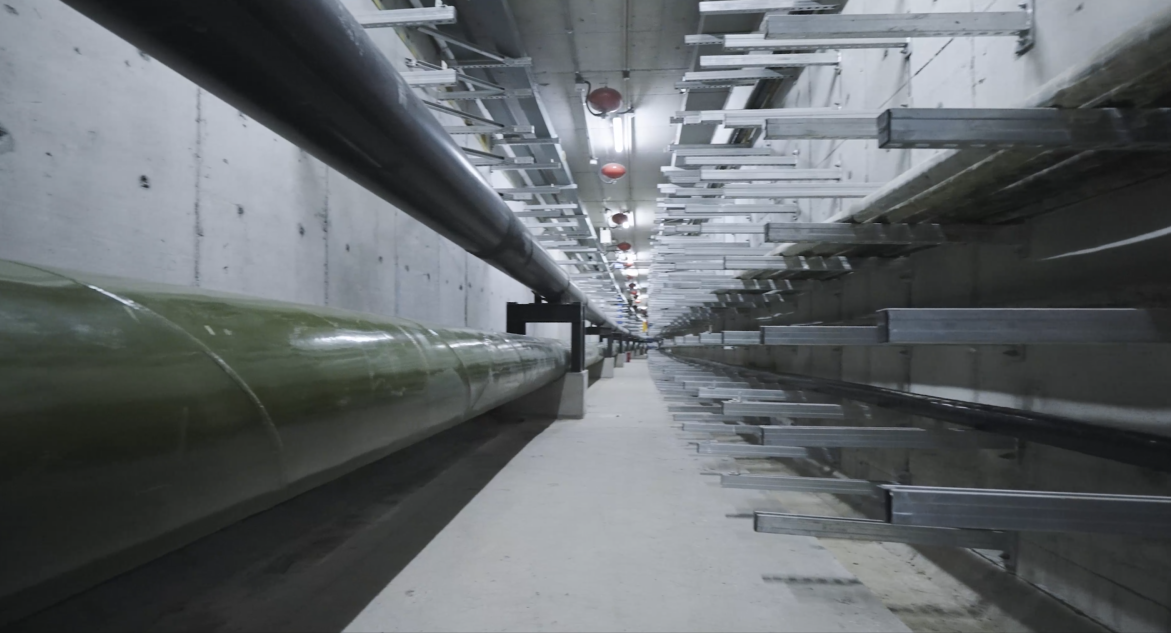
SINGAPORE / ACCESS Newswire / June 20, 2026 / Beneath the bustling streets of every modern metropolis lies a massive, invisible labyrinth that keeps society running. Utility tunnels-centralized underground corridors packed with high-voltage power cables, fiber optics, gas mains, and water lines-are the literal lifelines of urban civilization. Yet, for decades, the maintenance of this critical infrastructure has relied on a surprisingly low-tech and dangerous method: human flashlight patrols.
For human workers, entering these tunnels means facing a subterranean gauntlet of toxic gas leaks, flash floods, and high-voltage electrical risks. Compounding the danger is the fact that human senses are simply poorly equipped for the job. A hairline fracture in a concrete wall, a microscopic gas seepage, or a cable joint running just three degrees too hot can easily bypass a tired inspector with a clipboard.
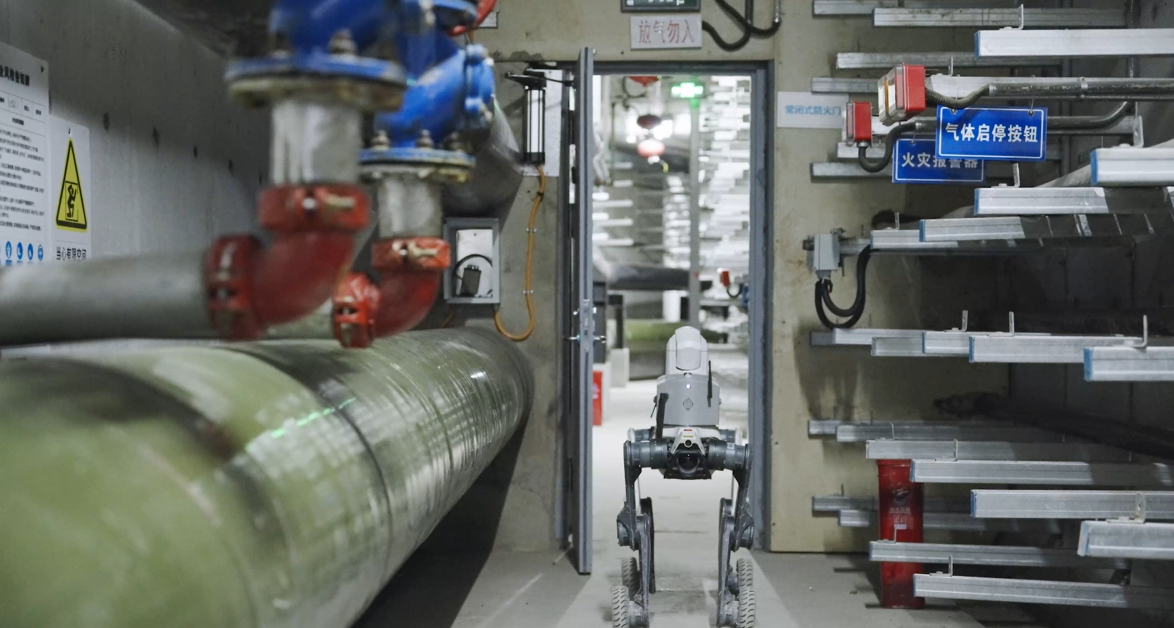
Now, a paradigm shift is happening deep underground. Powered by the rapid advancement of embodied AI, autonomous robots are stepping into the dark to do the jobs humans shouldn't have to do. Leading this charge is DEEP Robotics and its flagship wheeled-legged robot, the Lynx M20.
Case Study: The 26-Kilometer Subterranean Gauntlet
To understand the sheer scale of this challenge, look no further than Chengdu's Future Science and Technology City-a massive, master-planned economic zone expanding adjacent to a major international airport.
Beneath this sprawling development lies a newly constructed, 26-kilometer-long integrated utility tunnel. It is a high-stakes environment that aggregates almost every nightmare scenario in underground operations: zero GPS signal, a complete absence of public cellular networks, and an interior packed so tightly with high-voltage lines and heavy machinery that some critical passages squeeze down to a mere 50 centimeters wide.
For conventional automated systems, this environment is a trap. Traditional wheeled inspection carts or tracked rovers frequently suffer a fatal flaw: they can roll in, but the moment they encounter a dead-end or a tight squeeze, they lack the turning radius to back out.
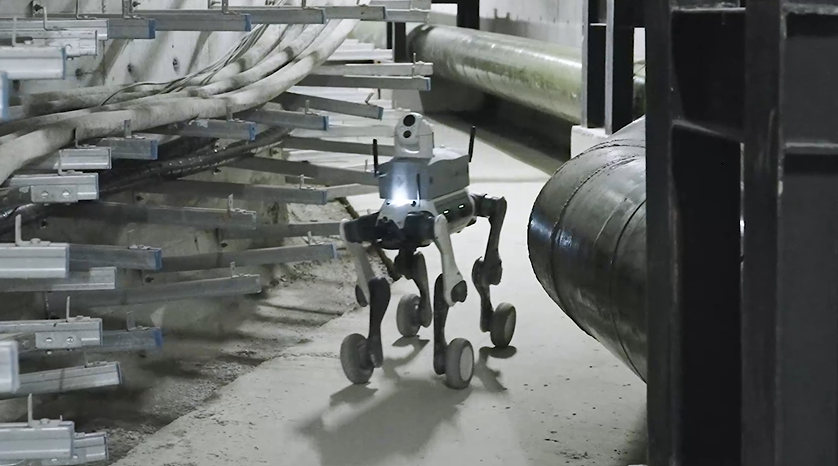
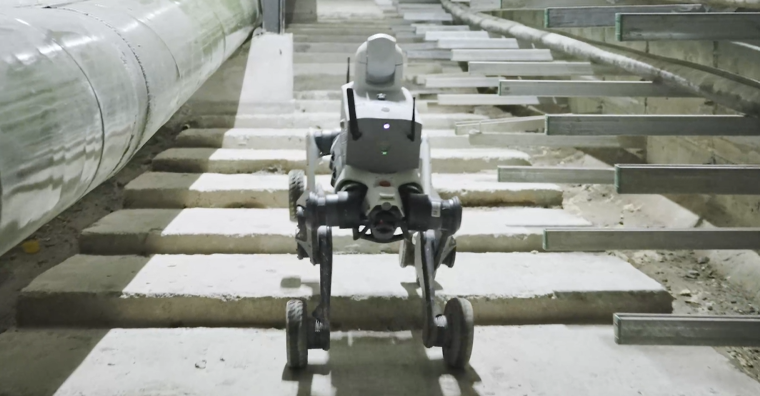
The Lynx M20 was engineered specifically to break this bottleneck. Blending the velocity of wheels with the versatility of legs, the robot rolls effortlessly across flat concrete miles, then seamlessly transitions into a nimble walking gait when encountering debris or narrow obstacles. Boasting an ultra-wide range of joint motion, it can compress its posture to slip through those 50-centimeter gaps that would leave standard automation stranded. Operating autonomously around the clock and returning to its wireless charging dock when low on battery, it effectively eliminates the dangerous "blind spots" left behind by scheduled human shifts.
Beyond Human Senses: The Multi-Modal Patrol
Getting into the tunnel is only half the battle; the real value lies in what the robot can see. Inside these dimly lit corridors, the worst hazards are invisible.
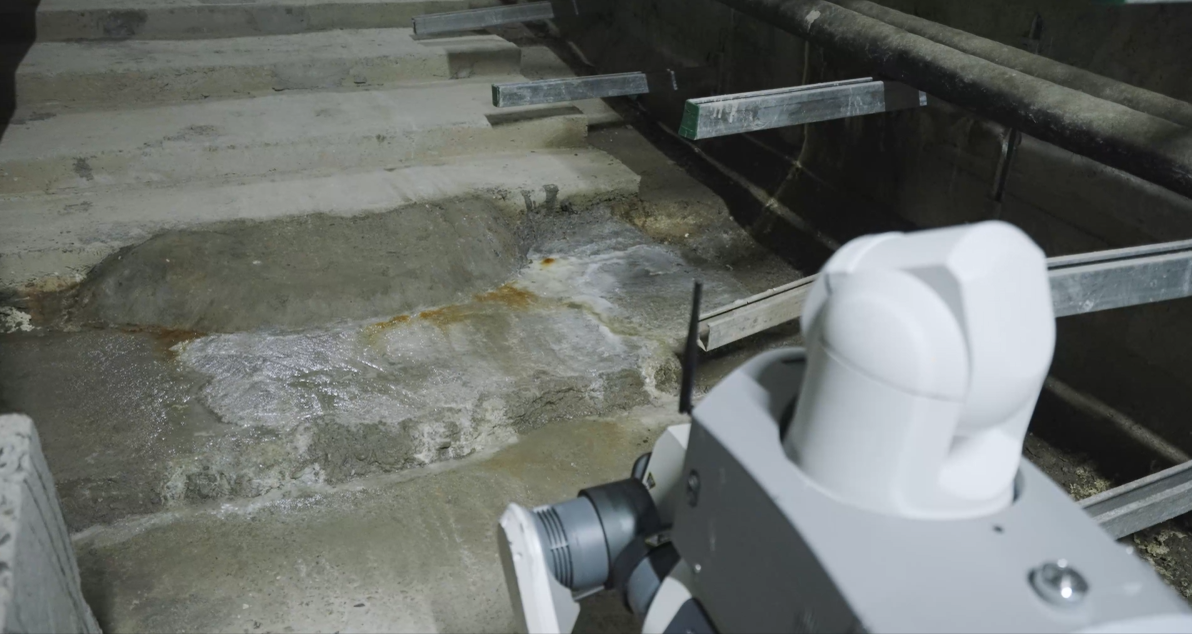
To counter this, the Lynx M20 acts as a mobile, multi-sensory diagnostic lab. It simultaneously deploys infrared thermal imaging, advanced gas spectroscopy, high-definition video feeds, and acoustic pickups. While it maps the thermal footprint of every electrical junction, its gas sensors detect toxic or flammable anomalies at concentrations far below the threshold of human smell. By flagging leaks long before they reach explosive or lethal levels, the system buys municipal maintenance teams the most precious commodity in emergency response: time.
From Paper Trails to Digital Twins
Historically, infrastructure maintenance has been plagued by a lag in data. Patrol records have traditionally been trapped on clipboards or scattered across isolated spreadsheets. By the time an anomaly is manually reviewed by a manager, the underlying conditions inside the tunnel have often mutated into a full-blown crisis.
To close this loop, DEEP Robotics has paired its hardware with an advanced digital twin platform. As the Lynx M20 patrols, it streams real-time environmental data, equipment telemetry, and video feeds back to a centralized dashboard. Utilizing predictive analytics, the system automatically triages anomalies using a multi-tiered alert scale (Red, Orange, Yellow) and instantly generates actionable maintenance recommendations. This shifts urban asset management from a legacy, reactive "fix-it-when-it-breaks" model to a highly automated, predictive operations framework.
A Scalable Blueprint for Resilient Cities
The market pressure for this kind of automation is skyrocketing. Worldwide, massive upcoming investments are pouring into underground infrastructure, with hundreds of thousands of kilometers of pipelines slated for construction or modernization over the next decade. At this scale, relying on manual labor is no longer just inefficient-it is mathematically impossible.
The Lynx M20's underlying technology has already moved past the proof-of-concept stage and into real-world validation across high-profile global projects, ranging from Singapore PowerGrid's ultra-deep cable tunnels to massive international sporting villages and dense urban cores.
Company: DEEP Robotics
Contact: Vivian Chen
Email: chenlingjia@deeprobotics.cn
Website: https://www.deeprobotics.cn/en
SOURCE: DEEP Robotics
View the original press release on ACCESS Newswire