
In modern industry, variable frequency drives (VFDs) are essential tools for controlling electric motor operation through variation in power frequency and voltage. These devices allow companies to optimize energy consumption, enhance operational efficiency, and protect motors. So how does a VFD operate? This will be discussed in detail when we review the major components of VFDs, such as converter, DC link, inverter, control logic, and user interface.
1.Converter
The converter is the first fundamental part of a VFD because it converts the incoming alternating AC electric power from the grid into direct electrical current power. The conversion is made possible by using either thyristors or diodes that act as rectifiers. With this conversion process controlled, it places the foundation for accurate motor control through stabilizing the input electrical power to the variable frequency drive.
2.DC link
The DC link, which connects the converter to the motor, is a key part of the VFD system. This part stores all of the DC power generated by the converter in capacitors or inductors and smooths out any voltage ripple associated with the traditional method of supplying power to the inverter. By providing a clean and constant supply of power to the inverter, a good DC Link is essential for providing stable operation of the motor without interruption.
3.Inverter
The inverter is the component that makes everything happen when it comes to controlling the frequency of a motor. The inverter converts the power from the DC link back to AC, but at a frequency and voltage specified by the user. This allows the inverter to control the speed and torque of an electric motor. Different inverter technologies for example, PWM (pulse width modulation) enable precise motor control so that electric motors operate most efficiently based on an application's exact needs.
4.Control logic
The last part of the unit will determine what kind of control logic you have. Control logic is referred to as the brains of the variable frequency drive. The control logic uses microprocessors, as well as special software algorithms, to process information about how the drive should operate. Control logic receives inputs from sensors, the user and external control signals, and makes immediate calculations to provide the needed performance for the connected motor. This includes determining the required frequency or voltage to provide the desired output for the motor, while ensuring that the system is operating efficiently and effectively.
5.User interface
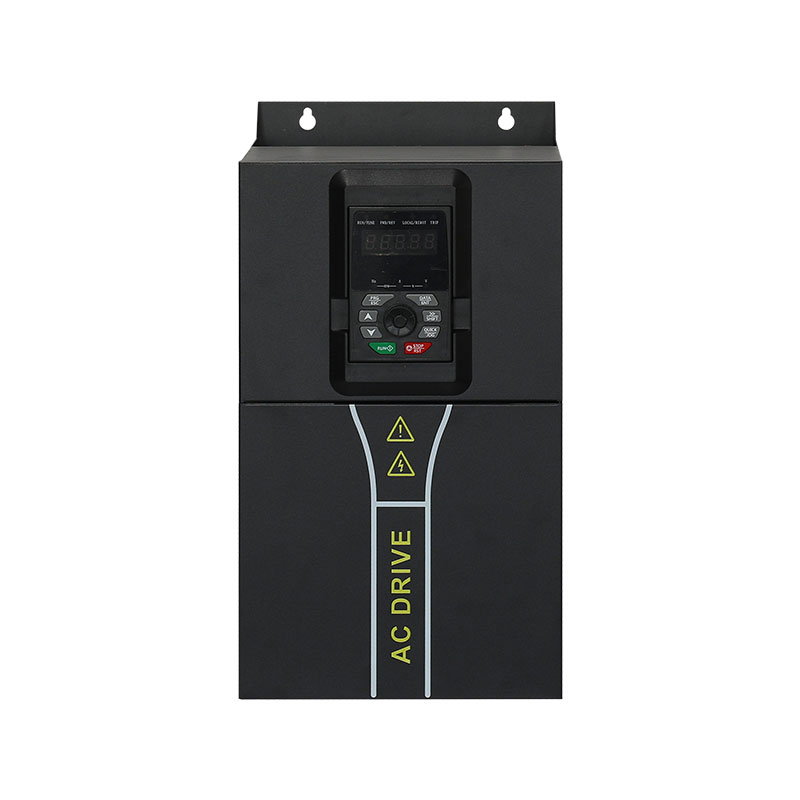
The end user interface of a VFD is its last critical component. The user interface enables the operator to control the VFD, input parameters, watch the status of the equipment, and get a real-time indication of whether there are any problems. New generation VFDs typically have modern display screens, touch screens, and can be connected remotely, which makes it much easier for operators to manage a lot of different things that they need to do.
Media Contact
Company Name: Zhejiang Loka Electric Co., Ltd.
Email: Send Email
Country: China
Website: https://www.cnloka.com/